If you’ve ever spent hours scrolling through online marketplaces looking for profitable items, you already know how unpredictable sourcing can be. Some days you discover hidden gems quickly. Other days, you waste hours with nothing to show for it. That inconsistency is exactly why many resellers start exploring automation.
Choosing between manual flipping and automated flipping is more than a workflow decision — it directly impacts how many deals you discover, how fast you can act, and how consistently you can generate profit. In competitive niches like electronics, furniture, collectibles, and sneakers, speed often determines who wins the deal.
According to the U.S. Bureau of Labor Statistics, the resale market continues to grow as more individuals participate in side hustles and digital commerce. Meanwhile, industry research from Statista shows steady growth in peer-to-peer ecommerce platforms, reflecting the increasing demand for tools that help sellers move faster and smarter.
Manual sourcing can still work — especially for beginners — but automated tools are increasingly shaping how experienced resellers compete in crowded marketplaces.
This guide breaks down both approaches in practical terms, helping you decide which workflow aligns with your time availability, sourcing goals, and growth plans.
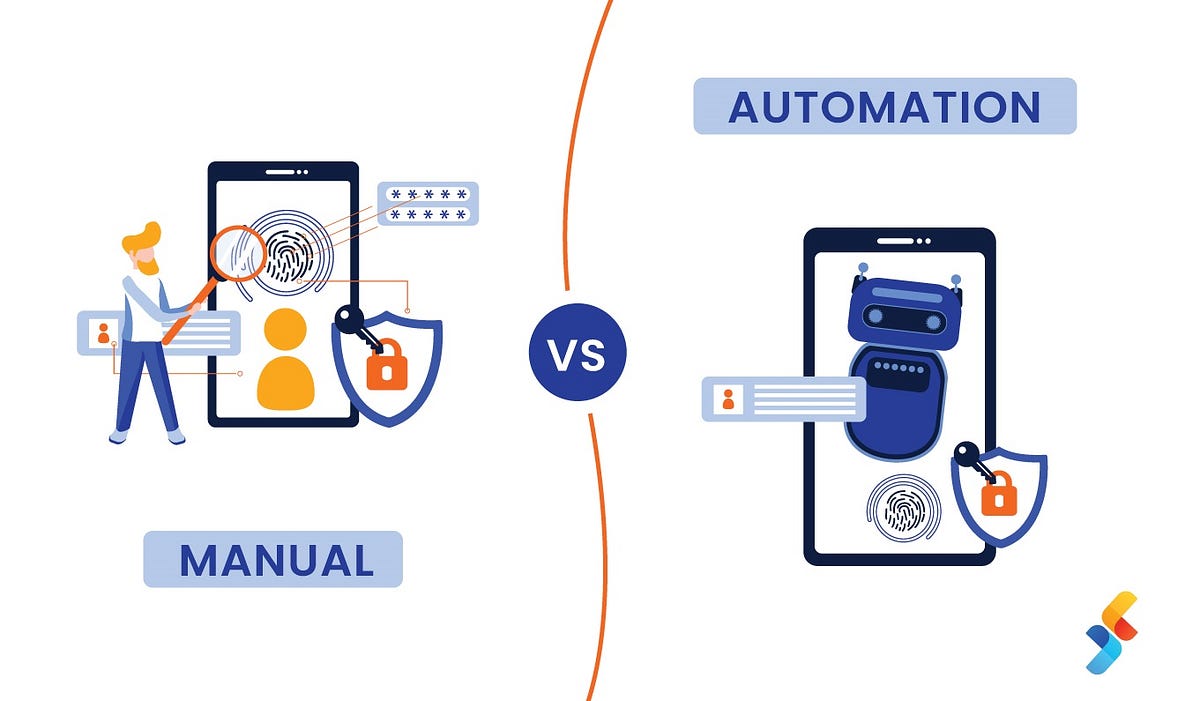
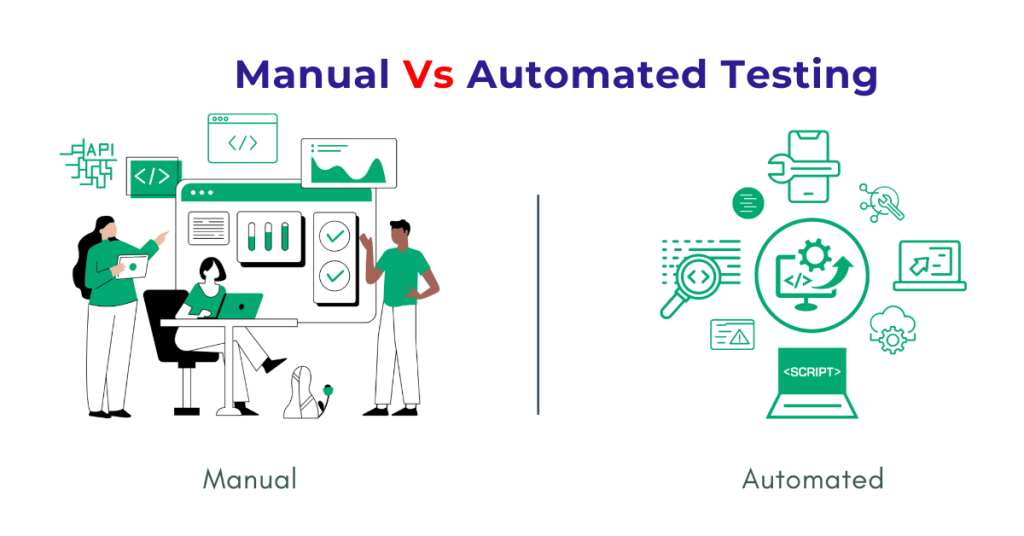
What is Manual Flipping vs Automated Flipping?
What is Manual Flipping?
Manual flipping is the traditional method of sourcing deals by personally browsing online marketplaces, checking listings, comparing prices, and identifying undervalued items.
Typical activities include:
Searching marketplaces multiple times per day
Manually checking price differences
Evaluating listing photos
Negotiating with sellers
Comparing sold listings for pricing validation
Manual sourcing depends heavily on time, experience, and persistence.
What is Automated Flipping?
Automated flipping uses software tools that continuously scan marketplaces, filter listings, and alert sellers when profitable opportunities appear.
Automation tools can:
Monitor thousands of listings simultaneously
Apply custom filters
Detect price drops instantly
Identify arbitrage opportunities
Notify users in real time
Instead of constant browsing, users review curated opportunities surfaced by the system.
Manual flipping often requires repeated daily searches across multiple platforms. Sellers frequently check listings during breaks, evenings, or weekends, hoping to catch underpriced items before someone else does.
The challenge is that marketplaces update constantly. New listings appear every few minutes, and valuable deals rarely stay available for long.
Automated flipping dramatically reduces the time required to monitor listings. Instead of manually checking platforms multiple times per day, automation tools continuously track listing activity and notify users when relevant opportunities appear.
Many experienced resellers discover that automation allows them to shift focus from searching to evaluating and executing deals.
Speed of Deal Discovery
Speed is one of the biggest differentiators between manual and automated workflows.
Manual sourcing relies on being present at the right moment. Even experienced sellers can miss deals simply because they were not actively browsing at the time a listing appeared.
Automated systems monitor listings continuously, often scanning thousands of updates per hour.
Research published by McKinsey & Company shows that automation improves operational efficiency across industries by reducing delays between opportunity identification and action.
For resellers, faster discovery often translates into higher win rates in competitive niches.
Scalability of Sourcing
Manual flipping can be effective when sourcing occasionally or operating at a small scale. However, as sellers attempt to increase volume, manual searching becomes difficult to sustain.
Scaling manual sourcing requires significantly more time or additional team members.
Automated workflows allow sellers to monitor multiple categories, locations, and price ranges simultaneously.
Automation makes it possible to expand sourcing volume without increasing workload proportionally.
For sellers aiming to grow consistent monthly revenue, scalability often becomes a deciding factor.
Consistency of Results
Manual workflows can produce excellent results during focused sessions, but consistency often varies based on schedule availability.
Some weeks generate strong deal flow. Others produce limited opportunities.
Automation creates a more predictable pipeline of potential deals by continuously scanning marketplaces.
Manual flipping has a relatively low barrier to entry. Beginners can start browsing listings immediately without specialized tools.
However, developing strong deal evaluation skills still takes time.
Automated flipping introduces an initial setup phase, where users configure filters and preferences.
Once configured, the workflow becomes more streamlined and repeatable.
Many sellers view the initial learning curve as worthwhile due to long-term efficiency gains.
Risk of Missing Opportunities
Manual sourcing carries a higher risk of missing profitable listings, especially in fast-moving categories.
Popular items can sell within minutes of being listed.
Automated systems reduce the likelihood of missed opportunities by monitoring listings continuously.
Real-time alerts allow users to act quickly when favorable pricing appears.
Reducing missed deals can significantly improve sourcing efficiency over time.
Use Case Fit
When Manual Flipping Works Best
Manual sourcing may be suitable for:
Beginners learning marketplace dynamics
Occasional sellers sourcing part-time
Hobby resellers exploring product categories
Individuals testing side hustle ideas
Manual workflows can help develop pricing intuition and category familiarity.
When Automated Flipping Works Best
Automation tends to benefit:
Experienced resellers
High-volume flippers
Competitive niche sellers
Online arbitrage professionals
Inventory sourcing teams
Side hustlers with limited time
Automation often becomes valuable when sellers aim to increase deal frequency without increasing workload.
Example Workflow Comparison
Manual Workflow
1. Search marketplace listings manually
2. Review item details
3. Compare historical pricing
4. Identify potential margin
5. Contact seller
6. Repeat process multiple times daily
Automated Workflow
1. Configure search filters
2. Software scans listings continuously
3. Receive alerts for relevant deals
4. Evaluate opportunities
5. Contact sellers quickly
6. Scale sourcing across categories
Advantages and Limitations
Manual Flipping Advantages
simple starting point
no software required
useful for learning product categories
flexible sourcing approach
Manual Flipping Limitations
time intensive
difficult to scale
inconsistent results
higher risk of missed opportunities
Automated Flipping Advantages
faster deal discovery
scalable sourcing workflow
reduced manual effort
consistent opportunity flow
improved competitive positioning
Automated Flipping Limitations
initial setup required
tool learning curve
subscription cost for some platforms
Final Verdict: Which Approach is Better?
Manual flipping still works, especially for beginners or occasional sellers.
However, as competition increases across online marketplaces, relying entirely on manual searching can limit growth potential.
Automation does not replace decision-making — it improves how efficiently opportunities are surfaced.
Many experienced resellers combine both approaches:
manual exploration for niche insights automation for consistent deal discovery
The most effective workflow often depends on sourcing goals, available time, and desired scale.
For sellers aiming to build consistent deal flow, automation typically provides a meaningful advantage.
Frequently Asked Questions
Is automated flipping worth it for beginners?
Automation can benefit beginners who want to reduce time spent searching. However, understanding pricing fundamentals remains important when evaluating deals.
Do professional resellers use automation tools?
Many experienced resellers use automation to monitor listings and identify opportunities faster. Automation helps maintain consistent sourcing volume.
Can flipping be fully automated?
While deal discovery can be automated, evaluating item condition, negotiating with sellers, and managing inventory still require human decision-making.